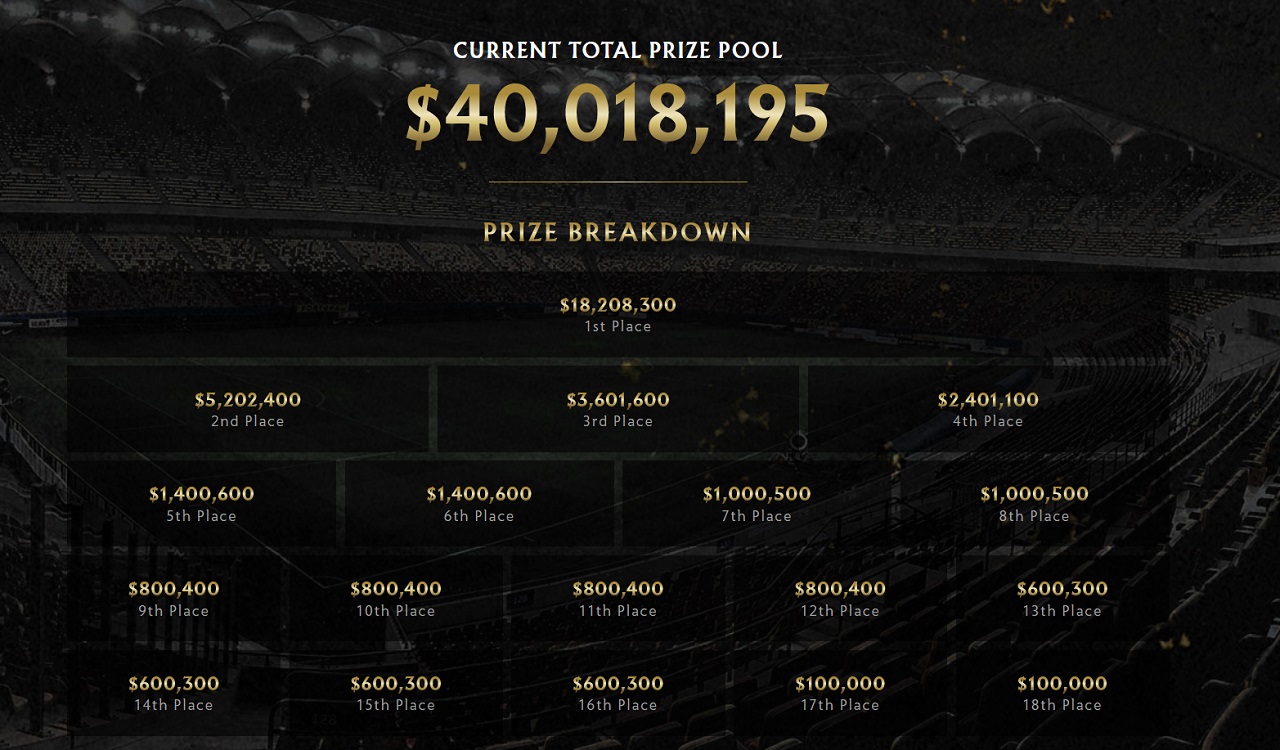
The landscape of professional Dota 2 competition has undergone a dramatic transformation, with mega prize pools now reshaping how bettors approach major tournaments. The convergence of unprecedented financial stakes and growing betting infrastructure has created a unique environment where betting volume growth significantly outpaces traditional audience metrics. Understanding this phenomenon requires examining how massive prize pools influence player behavior, team strategies, and ultimately, betting opportunities for international markets.
The Prize Pool Revolution and Its Impact on Betting Markets
Recent major esports tournaments have demonstrated that prize pool size serves as a primary driver of betting activity. When The International and similar flagship events announce prize pools exceeding $75 million, the ripple effects extend far beyond the professional scene. These massive financial commitments attract not only elite teams but also sophisticated betting syndicates and casual bettors seeking to participate in high-stakes competition narratives.
The Esports World Cup, spanning 25 tournaments with a combined $75 million prize pool, exemplifies how distributed mega-events create sustained betting momentum throughout extended competition windows. This structure differs fundamentally from single-tournament formats, as it generates continuous opportunities for bettors to engage with evolving team dynamics, player performance trajectories, and shifting meta-game strategies. The extended timeline allows betting markets to mature and develop greater liquidity, attracting more sophisticated analytical approaches from professional bettors.
Betting volume growth has consistently outpaced audience growth in these scenarios, suggesting that the financial magnitude of tournaments drives participation among existing esports audiences more effectively than it attracts new viewers. This distinction matters significantly for betting operators and bettors alike, as it indicates that prize pool announcements function as powerful signals to engaged communities rather than mass-market catalysts.
Strategic Betting Approaches for Mega Prize Pool Events

Early Tournament Positioning and Team Assessment
Bettors engaging with major Dota 2 tournaments benefit from analyzing team roster stability and recent patch adaptations before events commence. Teams competing for $75 million prize pools typically invest heavily in preparation, making their pre-tournament form and coaching staff changes meaningful indicators of competitive strength. Sophisticated bettors monitor team bootcamp announcements, scrim results reported by community observers, and player streaming patterns to identify teams entering tournaments with momentum advantages.
The extended nature of multi-tournament formats like the Esports World Cup creates opportunities for mid-tournament repositioning. Teams that underperform in early stages may face psychological pressures affecting their odds in subsequent tournaments, creating value opportunities for bettors who recognize temporary form fluctuations versus fundamental competitive weaknesses. This requires continuous engagement with tournament progression rather than one-time betting decisions.
Meta-Game Evolution and Betting Implications
Dota 2’s complex meta-game creates distinct betting advantages for those who understand patch timing and hero viability cycles. Major tournaments with substantial prize pools typically occur shortly after significant patches, creating periods where teams’ preparation depth becomes crucial competitive factors. Teams that innovate hero selections and strategic approaches often command premium odds despite potentially facing established favorites, yet their innovation-driven gameplay frequently produces upset victories that reward contrarian bettors.
The financial stakes of $75 million tournaments incentivize teams to develop multiple strategic approaches rather than relying on single playstyles. This creates betting complexity where team strengths cannot be reduced to simple statistical models. Bettors who invest time understanding individual team coaches’ strategic philosophies and player strengths in specific hero roles gain significant analytical advantages over casual market participants.
Betting Volume Growth Outpacing Audience Metrics
The disconnect between betting volume growth and audience growth in recent major tournaments reveals important market dynamics. While viewership numbers provide straightforward metrics, betting activity reflects actual financial commitment from engaged participants. This suggests that mega prize pools primarily intensify engagement among existing esports audiences rather than expanding the total addressable market for esports consumption.
For international betting markets, this phenomenon indicates that prize pool announcements should be viewed as engagement multipliers for existing communities rather than audience expansion catalysts. Operators focusing on Dota 2 betting should prioritize market depth and liquidity improvements targeting existing esports enthusiasts rather than pursuing mass-market advertising campaigns centered on prize pool size alone.
The growth trajectory of betting volume during extended multi-tournament formats like the Esports World Cup demonstrates that sustained competition windows generate more betting activity than single-tournament events. This structural advantage creates opportunities for operators to develop seasonal betting products and loyalty programs that reward consistent engagement across multiple tournaments rather than individual betting events.
Team Dynamics and Competitive Balance as Betting Factors
Mega prize pool tournaments attract international talent consolidation, with teams often featuring players from multiple countries competing under unified organizations. These international rosters create unique betting considerations, as language barriers, timezone differences in bootcamp locations, and varying communication styles can influence team cohesion during high-pressure competition. Bettors who understand team composition dynamics and player communication patterns gain analytical edges over those relying solely on historical performance data.
The financial stakes of $75 million tournaments create distinct pressure environments where mental fortitude becomes increasingly important. Teams with experienced leadership structures and proven tournament performance under pressure conditions often outperform statistically stronger squads lacking championship experience. This psychological dimension of competitive Dota 2 rewards bettors who track player mental health discussions, team morale indicators, and coaching staff changes that might signal internal conflicts.
Market Liquidity and Betting Infrastructure Development
The growth of betting volume during major tournaments has driven significant infrastructure investments from betting operators serving international markets. Improved odds movement tracking, real-time statistical analysis platforms, and specialized esports betting interfaces have emerged to serve the sophisticated analytical demands of professional bettors engaging with Dota 2 markets. These technological improvements create more efficient pricing mechanisms, reducing opportunities for casual bettors but rewarding those with analytical sophistication.
International betting markets have developed distinct characteristics based on regional regulatory environments and operator licensing structures. European markets typically feature more conservative odds and higher liquidity due to established regulatory frameworks, while Asian markets often display more aggressive pricing and greater volatility. Understanding these regional differences allows bettors to identify value opportunities across multiple jurisdictions and operator platforms.
Identifying Value in Oversaturated Betting Markets
As betting volume grows during mega prize pool events, identifying genuine value becomes increasingly challenging. Market efficiency improves as more sophisticated participants enter betting pools, making simple statistical approaches less profitable. Successful bettors engaging with Dota 2 tournaments must develop specialized analytical frameworks focusing on factors that broader markets undervalue, such as specific player performance in particular roles, team performance against specific opponent playstyles, or tournament-specific environmental factors affecting team preparation.
The extended timeline of multi-tournament formats creates opportunities for bettors to refine analytical models based on early tournament results. Teams’ actual performance often diverges from pre-tournament expectations, creating recalibration opportunities where updated information has not fully incorporated into market pricing. This requires disciplined bankroll management and willingness to adjust betting approaches based on tournament progression data rather than rigid pre-tournament strategies.
Responsible gambling practices become increasingly important as betting volume grows and market complexity increases. Bettors should establish strict bankroll allocation limits, never wager more than they can afford to lose, and recognize that even sophisticated analytical approaches carry inherent uncertainty and risk. Setting loss limits before tournament seasons commence, tracking betting performance metrics systematically, and taking regular breaks from betting activity help maintain healthy gambling behaviors. If gambling begins negatively impacting financial stability or mental health, seeking support from professional gambling addiction resources is essential. Betting should remain entertainment rather than primary income sources, with realistic expectations about long-term profitability and acknowledgment that professional bettors represent a small minority of all participants.
